
AI Wearable Integration for Endurance Athletes (2025 Guide)
Ultra running meets artificial intelligence!
In 2025, AI-powered wearables are the new secret weapon of endurance athletes, providing real-time data, adaptive training, and smarter recovery.
This guide dives into the best AI wearables, watches, smart rings, and pods, showing how to maximize performance and health for your longest, toughest races.
Ready to upgrade your ultra running with the latest in smart tech? Here’s what you need to know.
This guide dives into the best AI wearables, watches, smart rings, and pods, showing how to maximize performance and health for your longest, toughest races.
Ready to upgrade your ultra running with the latest in smart tech? Here’s what you need to know.
🤖 Why AI Wearables Matter for Ultra Runners
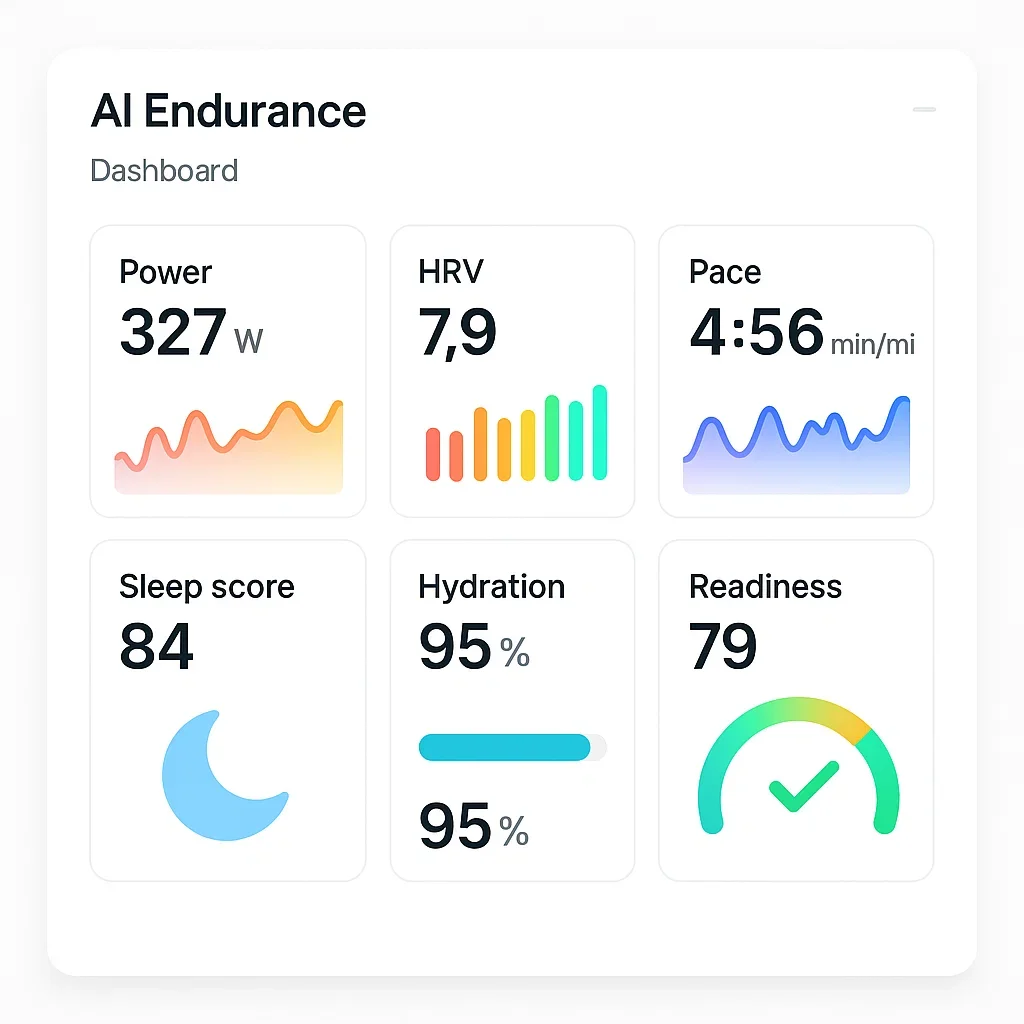
- AI analyzes your data instantly—HRV, pace, sleep, hydration, power, and more
- Adaptive feedback: real-time adjustments to training based on how your body responds
- Predicts fatigue, risk of injury, or overtraining before you feel it
- Integrates with nutrition, recovery, and race planning apps for a full 360º approach
- Keeps you motivated and accountable with daily reminders and milestone tracking
🏆 Most Popular AI-Powered Wearables in 2025
- Garmin Fenix 7/Epix Pro: Multi-band GPS, 24/7 HRV, AI training readiness, advanced mapping
- Coros Vertix 2/Apex 2 Pro: Extreme battery, AI fatigue predictor, power meter support
- Oura Ring Gen 3: AI sleep, HRV, recovery, readiness—smallest, most comfortable tracker
- Whoop 4.0: Continuous HRV, AI strain/recovery, sleep tracking, pro-level analytics
- Stryd Next Gen: Running power meter, AI adaptive power zones, wind/elevation adjustment
- Form Smart Swim Goggles & Nix Hydration: Niche, but AI-driven metrics for cross-training and fluid loss
📊 Key Metrics Tracked by AI Wearables
- Heart Rate & HRV (Heart Rate Variability)
- Running Power & Critical Power
- Sleep quality and duration
- Hydration, body temperature, sweat rate
- Readiness score and adaptive training zones
- GPS accuracy, pace, elevation, environmental stress
🔗 Integration & Data Sync: Watches, Rings, Pods & Apps
- Most AI wearables connect via Bluetooth, WiFi, or app APIs
- Sync Garmin/Coros watches with Oura, Whoop, Stryd, Nix, and more
- All-in-one dashboards (Athletica, TrainingPeaks, Apple/Google Health) combine every metric for easy insight
- Real-time alerts on your watch or phone for fatigue, hydration, weather, and pacing
- Export your data for coaching, medical, or analytics use
🎧 Real-Time Coaching & Adaptive Training
- AI coaches adjust your plan on the fly based on current metrics
- Real-time voice or haptic feedback for pace, hydration, effort, or heat stress
- Auto-adaptive training: longer recovery if HRV is low, harder intervals if readiness is high
- Race simulation: live course/weather input and on-the-go recommendations
- Sync with running apps for community, goal tracking, and leaderboards
🛌 Recovery, Sleep, and Readiness Analytics
- Oura, Whoop, Garmin, and Coros now deliver daily “readiness” or “recovery” scores
- AI analyzes sleep stages, HRV, stress, movement, and more
- Suggests when to rest, cross-train, or push hard
- Personalized sleep recommendations (timing, quality, duration) improve ultra recovery
- Real-world effect: fewer overtraining injuries and faster bounce-back from long races
🔒 Data Privacy & Ethical Concerns
- AI wearables collect sensitive health and location data—always review privacy policies
- Choose brands with transparent data handling and strong encryption
- Consider whether you want your data stored locally, in the cloud, or shared with third-party apps
- Ethics: Some athletes disable sharing during races to protect strategy and location
- Remember: You can opt out of “smart” features if you value privacy over insights
🏅 Success Stories from Ultra Athletes
- Sophie K.: “AI recovery tracking with Oura and Stryd cut my injury time by half last season!”
- Jin L.: “Garmin’s adaptive pacing got me through my first 100-miler without a single pacing error.”
- Oscar M.: “Whoop’s fatigue score kept me honest—no more burnout before big races!”
✅ Choosing the Right AI Wearable: Tips & Checklist
- Start with your *must-have* metrics (HRV? Power? Sleep?)
- Consider battery life—multi-day ultras need 48+ hours
- Test compatibility with your current phone and apps
- Look for comfortable, low-profile devices—chafing ruins races!
- Check the community and support—active user forums are a plus
❓ Mini-FAQ: AI Wearables for Ultra Running
Are AI wearables really accurate for ultra training?
Yes, especially when worn consistently and integrated with multiple data sources. Trust trends, not just daily numbers!
Can I use more than one wearable at the same time?
Absolutely! Most elite ultra runners combine a watch, smart ring, and pod for full-spectrum insight.
Do AI wearables help prevent injuries?
They help you spot fatigue and poor recovery before it becomes a problem—listen to your alerts and adjust early.
What if my AI wearable says “rest” but I feel great?
Use the data as a guide—not an absolute rule. Combine AI insights with how you feel for best results.
🔗 Further Reading & Resources
AI Coaching & Wearable Tech in Ultramarathon
How AI is shaping the future of ultra performance. Stryd Critical Power Explained
The science behind power-based ultra pacing. Best HRV Apps for Ultra Runners
Optimize recovery and performance with AI-driven HRV tools. Coros vs Garmin for 100 Mile Ultras
Best GPS watches for long-distance ultra runners.
How AI is shaping the future of ultra performance. Stryd Critical Power Explained
The science behind power-based ultra pacing. Best HRV Apps for Ultra Runners
Optimize recovery and performance with AI-driven HRV tools. Coros vs Garmin for 100 Mile Ultras
Best GPS watches for long-distance ultra runners.
🏁 Final Thoughts: Run Further, Smarter, Stronger
The best AI wearable isn’t just high-tech—it’s the one that helps you know yourself, adapt, and go the extra mile.
Invest in tech, but trust your journey. AI is the future—but you’re still the engine.
Have an AI wearable story or tip for other ultra runners? Share below—or keep exploring for more science-backed ultra performance!
Invest in tech, but trust your journey. AI is the future—but you’re still the engine.
Have an AI wearable story or tip for other ultra runners? Share below—or keep exploring for more science-backed ultra performance!

About the Author
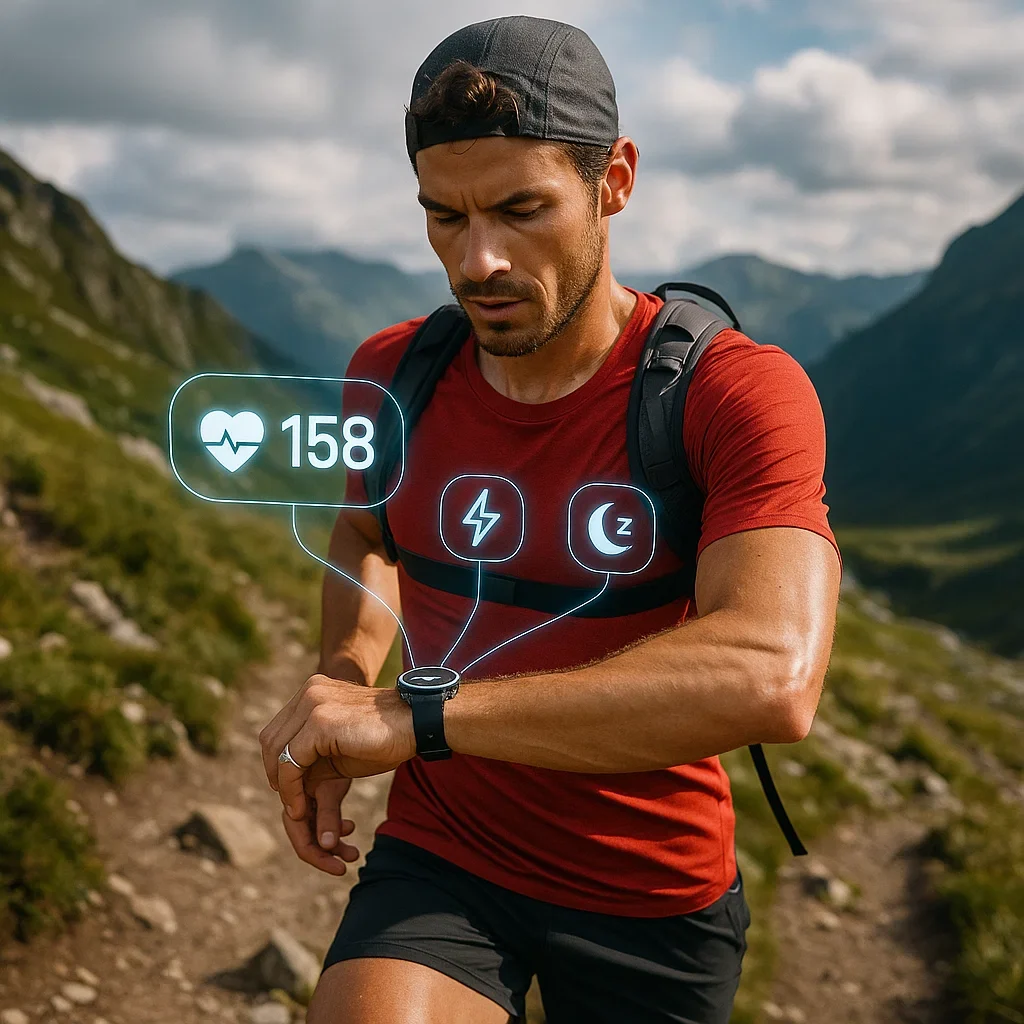
Lost Pace is an ultramarathon runner, shoe-tester and the founder of umit.net. Based year-round in Türkiye’s rugged Kaçkar Mountains, he has logged 10,000 + km of technical trail running and completed multiple 50 K–100 K ultras.
Blending mountain grit with data, Lost analyses power (CP 300 W), HRV and nutrition to craft evidence-backed training plans. He has co-written 260 + long-form guides on footwear science, recovery and endurance nutrition, and is a regular beta-tester of AI-driven coaching tools.
When he isn’t chasing PRs or testing midsoles, you’ll find him sharing peer-reviewed research in plain English to help runners train smarter, stay healthier and finish stronger.
Ultrarunner · Data geek · Vegan athlete